
AI’s Evolving Interface: 5 Signals of the Future
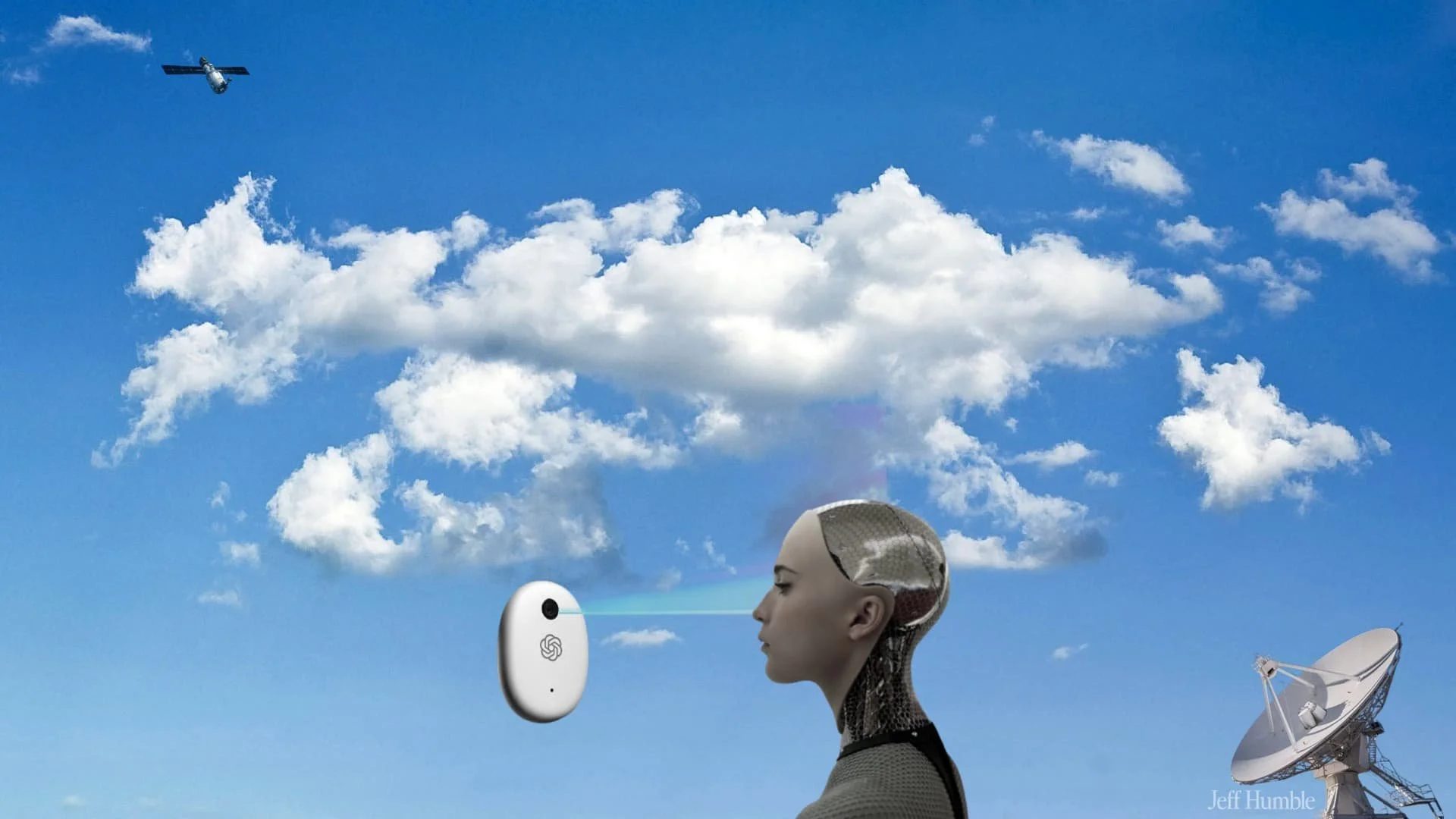
The AI landscape is evolving rapidly, and the way we interact with and experience AI is changing even more quickly.
Currently, most of us interact with AI through clunky, chat-based interfaces. But new hardware hints at something more human and ambient.
It’s an exciting moment for future-minded designers and strategists to take control of the future of AI devices.
If you look closely, you can see the future of AI UX by looking at today’s disruptive AI products.
Rather than making bold predictions, I’d like to share five signals with you.
What is a signal?
A signal is a surprising, eye-opening example of a small, local change that disrupts the status quo and points to how the future might be very different from the present. -Institute for the Future
In future foresight work, signals are specific, observable indicators that suggest potential future trends or shifts in the present environment. They are not just trends, but rather concrete examples, events, or observations that hint at what might become significant in the future.
Here are five specific signals that will surely influence the future of AI UX:
Signal #1: Meta is quietly winning the AI wearables game with smart Ray-Bans

These Ray-Bans by Facebook are (somehow) popular.
Meta has sold over 2 million AI-powered smart glasses. Why? They’re stylish, subtle, and usable. Unlike the Humane Pin, they don’t scream, “Look at my tech.”
Adding to their success, Meta recently launched a new collaboration with Oakley, and smart glasses from Prada are also in the works. They even acquired a minority stake in EssilorLuxottica (the biggest eyeglass group in the world) and plan to sell 10 million smart glasses by 2026.
My Take: Meta Ray-Bans are winning where the Humane AI Pin failed. Meta took a voice-driven, simple gestures approach that works with existing accessories. While the Humane AI Pin was a radical rethinking of wearables, it was hard to use, and made the user stand out in everyday life. The simple, fashion-forward approach of the Meta Ray-Ban is an AI interaction signal to watch closely.
Signal #2: The “Doom Box,” an off-grid & offline AI cyberdeck for the apocalypse


DIY and local…corporate overlords sold separately
DIY forums are filling up with hand-built AI cyberdeck devices hacked from Raspberry Pi, like the Doom Box, an offline AI computer housed in a Faraday cage for only $720. The device is meant to survive an EMP pulse, and it’s sold to survivalists and off-gridders as a way to access the usefulness of the internet without needing the internet.
Amateur builders like OffGridSean are filling online forums with actual builds of offline AI tech powered by local or self-hosted LLMs using tools like Ollama. These devices handle responses on-device rather than connecting to the corporate cloud to ensure user privacy and resilience should the grid go down.
My Take: This offline, on-device approach stands in stark contrast to using ChatGPT on your laptop, where all of your data goes to OpenAI. The hobbyists (and probably many of you) have real privacy concerns that corporate behemoths like OpenAI and Microsoft will struggle to overcome. I think on-device is clearly the future, but it will be interesting to see if offline aspect of the AI user experience.
Signal #3: AI wearable startups that give users “infinite memory”
Did I really say that?
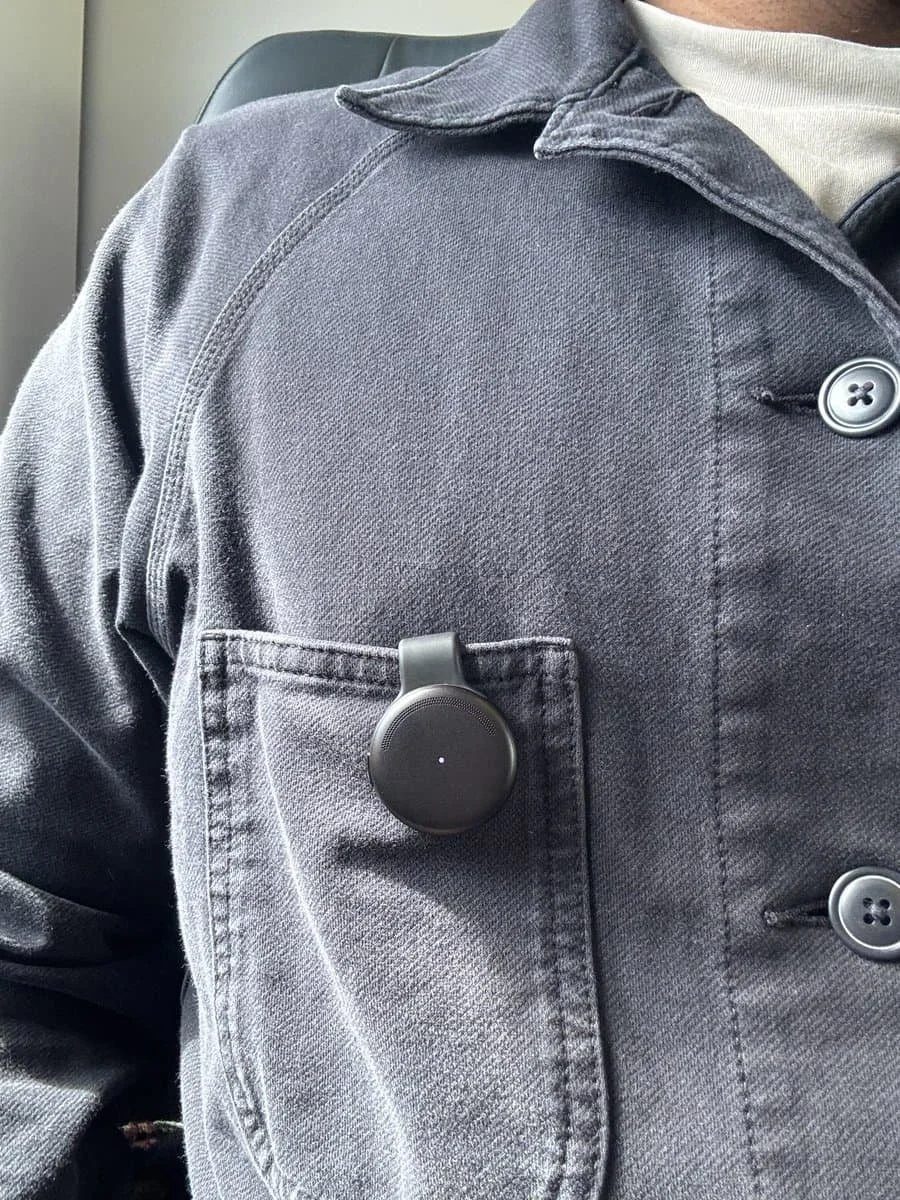
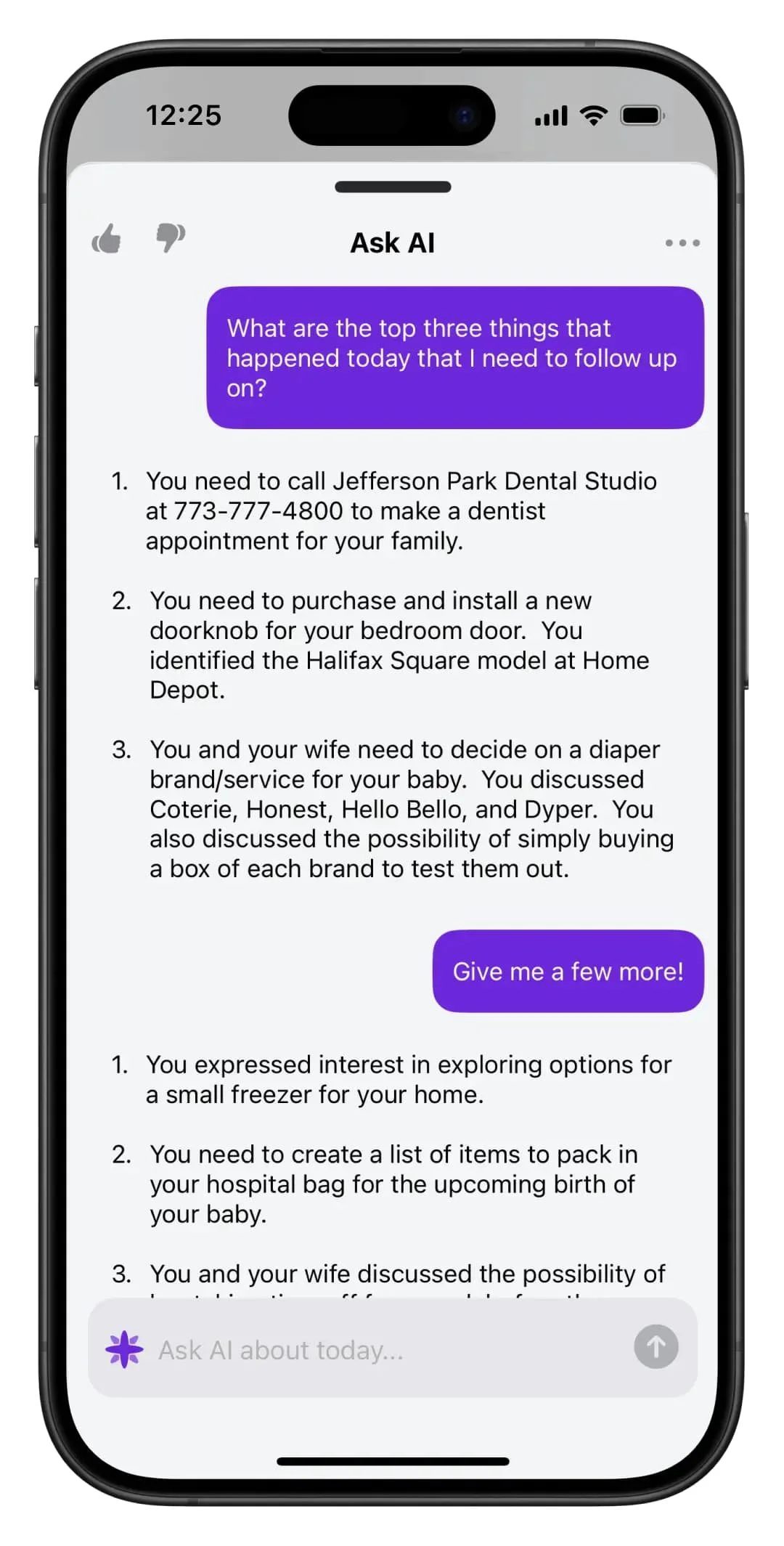
Multiple startups (like Limitless, Bee, and Plaud ) sell always-on recording devices that promise to give you a perfect memory. These pendants, earbuds, or wrist-worn recorders use AI to transcribe and organize everything you say or hear, creating a searchable, personal memory layer.
These AI-powered audio wearables are relatively cheap (around $200 for the Limitless pendant) and come with subscription fees (because, of course) to help you utilize your growing database of recordings. AI’s ability to search and filter shines here with these wearables, which provide a treasure trove of personal data.
My Take: The user promise here is huge: “never forget what happened.” Just as huge are the ethical and societal implications of everyone recording their conversations. I recently listened to a podcast where a die-hard user claimed it helped him resolve fights with his girlfriend because he could go back and listen to what was said. Sounds like trouble to me.
Signal #4: This AI mirror could track your weight, blood pressure, and sleep
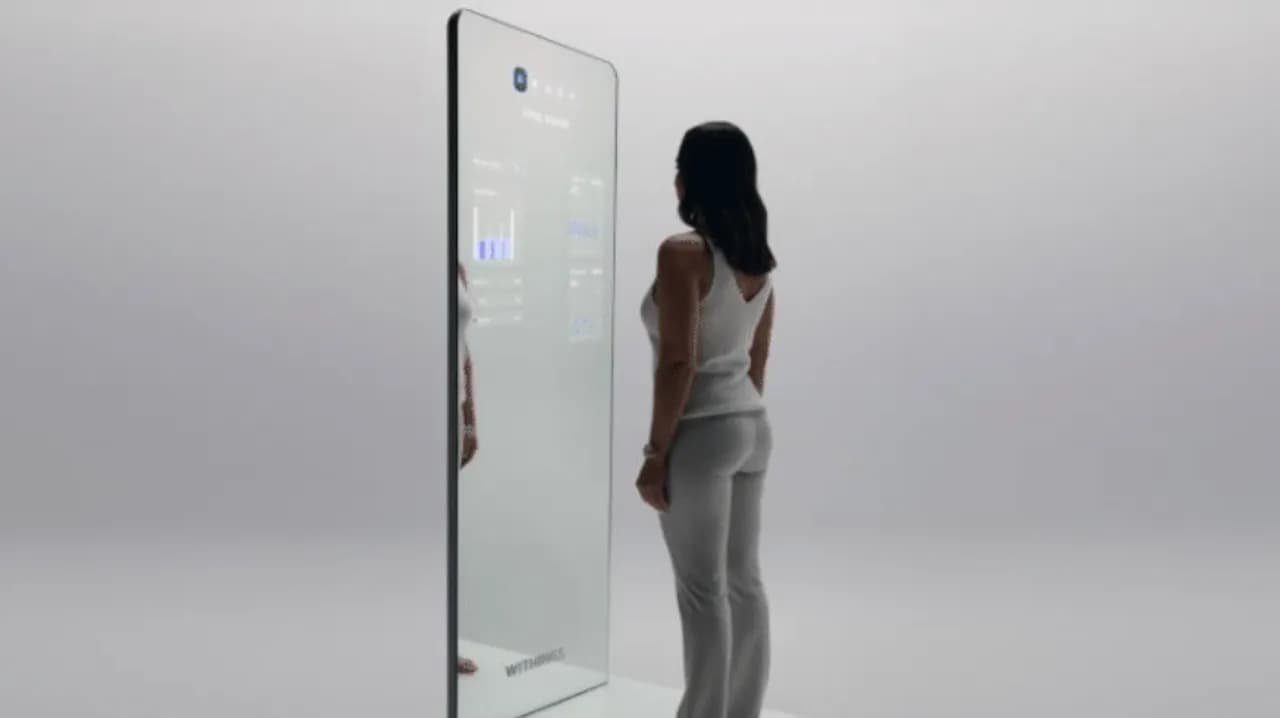
Mirror, mirror, who’s the healthiest of all?
Withings OMNIA AI smart mirror blends into your bathroom while tracking posture, heart rate, and more. It’s passive, ambient, and strangely comforting. A growing class of AI-integrated health devices promises to passively observe and optimize your physical state. They monitor posture, expressions, and even cardiovascular markers…all while blending into your environment.
Until now, health wearables mostly focused on sensors, but this AI device pitches the concept of an AI-powered interface layer for all your health sensors. Users with several health sensors would probably welcome a central place to track their health. In the future, this mirror could turn your bathroom into a fully-equipped medical center for AI diagnoses and telemedicine appointments.
My Take: Ok, this product is only a concept design, but it got a ton of positive press that will help it get built for real, showing that AI products don’t even have to be real to be tested with the public. Elon Musk did something similar with his AI robot “debut.” AI hardware is at a risky stage, so expect to see more concept debuts as companies test the perilous waters of future AI experiences.
Signal #5: Sam Altman and Jony Ive’s $6.5B bet on ambient AI hardware
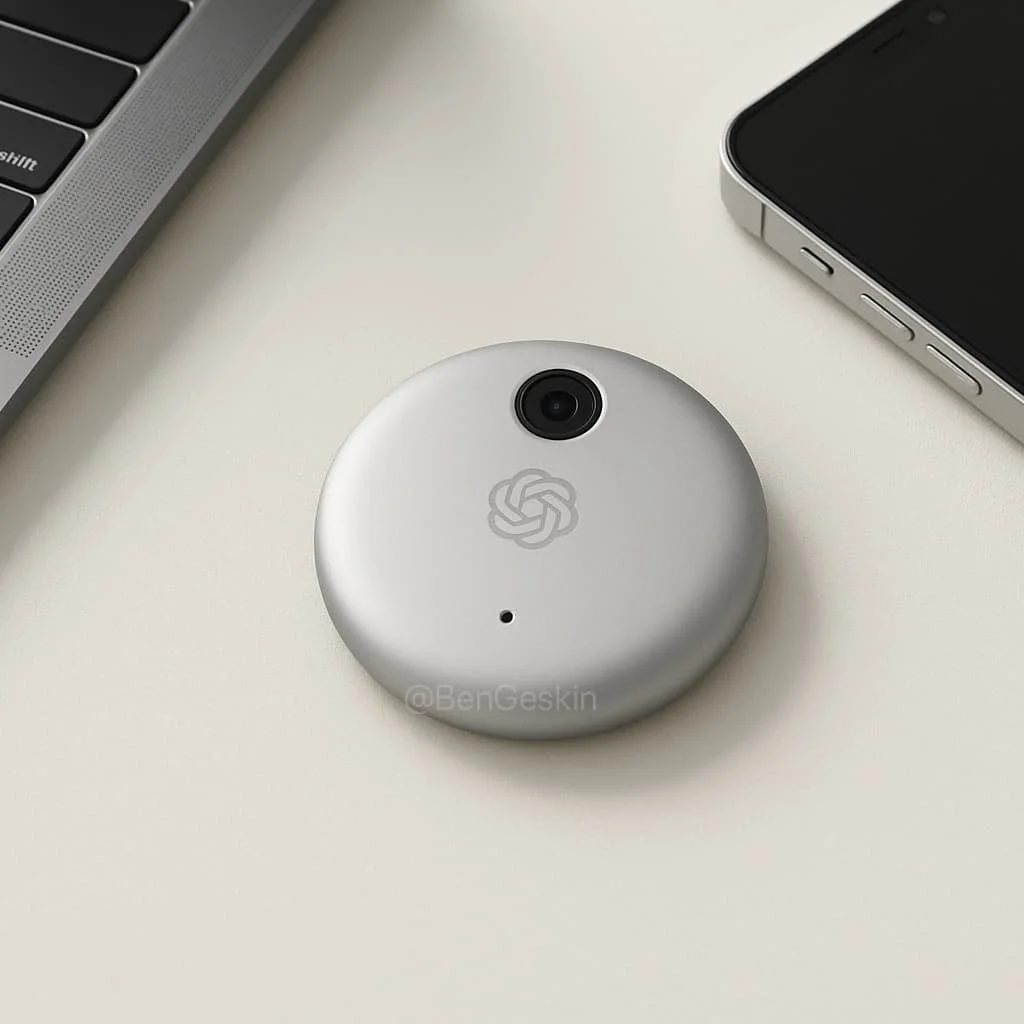

Is the ghost of Steve Jobs part of the ambience?
Sam Altman and Jony Ive are working on a $6.5B ambient AI device—no screen, just presence. It’s the anti-iPhone, and it could reshape how we think about smart homes. The details are vague at the moment, but the ambition is clear: make an AI wearable that will be as big as the original iPhone.
They made clear that the device wouldn’t compete with your laptop or phone and would be “the biggest thing we’ve ever done as a company,” according to Altman. He hinted that the device might add up to 1 trillion in revenue for OpenAI. They have an ambitious plan to ship 100 million units “faster than any company ever has.” The star power of Jony Ive (along with all that cash) shows that OpenAI is serious about revolutionizing AI hardware like they did for software.
My Take: This product strategy of “ambience” has a lot of potential in a world where everyone has screen fatigue and where every company is yelling about their stapled-on AI features. Jony Ive has a knack for turning nerdy tech into enviable icons of fashion. I think this might work well for them, and I wish that more smart speakers and wearables took more care to fade back into the background of users’ lives. We have all had enough of the notifications. This strategy also lines up with a trend I’m noticing in digital interfaces: AI works best when it’s hidden and just works…also, there is no way they’re hitting 100 million units in this decade.
Opportunities for AI-Powered User Experiences of the Future
So what can you do with these five signals?
As a strategist, I might use these to inform a new UX or product strategy (like in my strategy course). I could also use signals as a prompt for brainstorming new product ideas in a workshop. I might just collect them and pull out some trends once I have enough signals.
What I don’t want to do is make some TED talk prediction about the future of AI.
You don’t need me to tell you what these signals mean. Your mind is probably already going wild with ideas.
I’ll just list a few opportunities that I see for designers and product people:
- Iconic and easy-to-use design (like the Meta Ray-Bans) can help users feel confident in adopting new AI interactions
- Radically rethinking privacy in AI (like the Doom Box) might attract new users and help smaller startups compete with data-guzzling corporates like Meta, Microsoft, and Google.
- Sensor + AI + service design = magic …even simple microphones (like the Limitless pendant) can be a killer product when the user promise is as compelling as “infinite memory.”
- Conceptual, everyday science fiction (like the Omnia smart mirror) can help you test the waters for innovative ideas rapidly and with little upfront cost.
- A shift from screens to ambient ecosystems (like the OpenAI Jony Ive collaboration) might allow users to have a more human experience with AI.
Taken all together, these five signals can help us speculate on many possible futures.
One thing is certain: there has never been a more interesting time to be an experience designer. Even a tiny startup can influence the future of AI for decades.
If you want to learn how to turn signals like these into creative inputs for strategy or innovation, I teach a six-week course on experience strategy.
I can walk your team through a future-proofing process that will keep your team ahead of the curve for years.
What’s your interpretation of these signals?
Share a speculation or a signal that you think is relevant in the comments!