
Why Product Strategy Matters in the Age of AI

Running a product company in 2025 means making decisions under constant uncertainty.
Markets are shifting, AI is changing the rules overnight, and competitors are burning through cash chasing the same customers.
In this environment, execution alone isn’t enough — what separates companies that survive from those that scale is a clear product strategy.
Product Strategy in Times of Uncertainty
One of the most useful definitions of strategy is:
“A general plan to achieve one or more long-term or overall goals under conditions of uncertainty.” -Wikipedia
Right now, uncertainty is everywhere. AI is disrupting workflows, reshaping products, and rewriting the competitive landscape. Founders and product leaders are under pressure to move fast — but without a clear product strategy, teams risk:
- Chasing competitors instead of differentiating
- Building features for everyone (and delighting no one)
- Burning resources on initiatives that don’t connect to long-term goals
With the right product strategy, you can focus your bets, align your team, and create a defensible position — even when the market feels unpredictable.
What Product Strategy Is (and Isn’t)
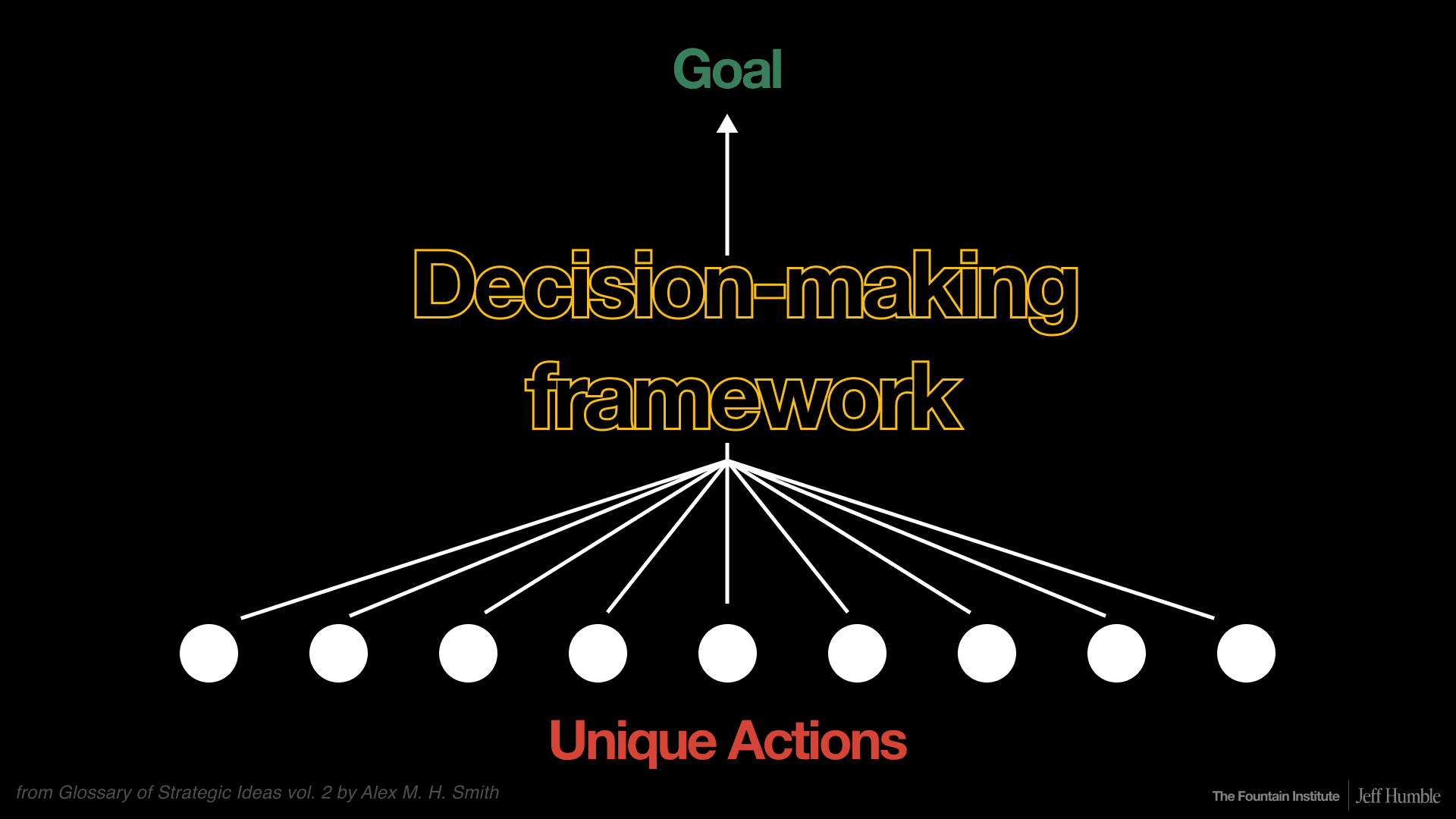
Product strategy is a decision-making framework that:
Guides product decisions across teams
Aligns features and initiatives with long-term business goals
Aligns with company strategy but gets specific with unique product team actions
Creates offerings people actually choose and stick with
Product strategy is not:
A brainstorm full of nice-sounding ideas
A feature list copied from competitors’ roadmaps
A simple restatement of the business strategy
Something you do every quarter
A strong product strategy should last for years, not quarters. Done right, it becomes the compass for product roadmaps, hiring, investment, and even positioning.
Case Study: Nintendo’s Winning Move
To see product strategy in action, let’s rewind to the early 2000s.
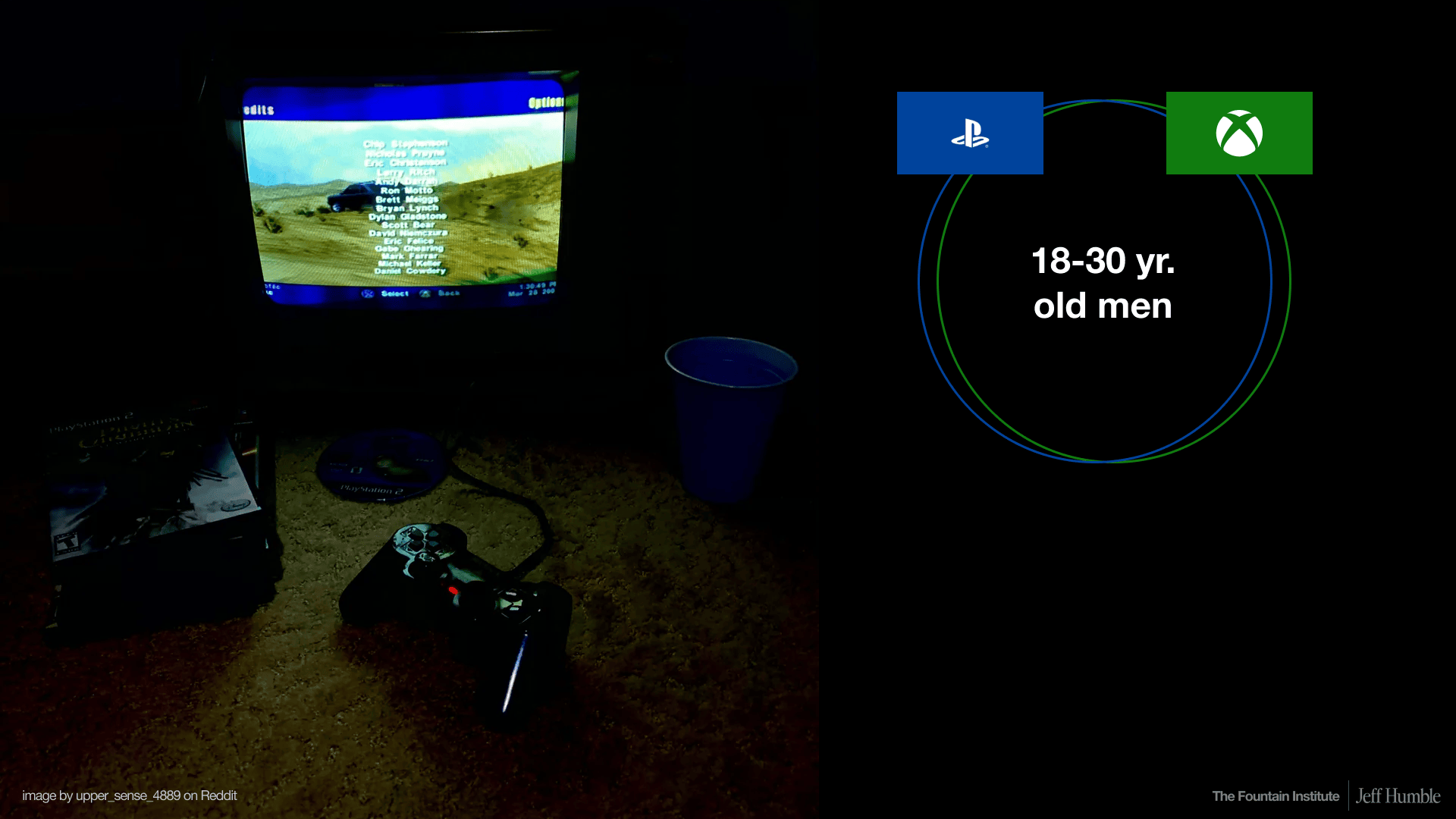
Sony’s PlayStation 2 and Microsoft’s Xbox were dominating. Both targeted the same persona: 18–30-year-old men in dark dorm rooms, competing on graphics, hardware, and online play. They poured billions into the arms race for the same narrow audience.
Nintendo, meanwhile, was struggling. Its GameCube underperformed, and the company needed a new direction.
That’s where the product strategy came in. They decided to do something different with their next console.
Instead of fighting the same fight, Nintendo zagged. Their product strategy was bold and different:
- Focus on family-friendly experiences instead of technical performance
- Prioritize simplicity and intuitiveness over complexity
- Encourage social, living-room play instead of solo gaming
The result was the Wii.

With its motion-sensitive Wii Remote, easy-to-use interface, and inclusive games like Wii Sports and Wii Fit, Nintendo unlocked an entirely new market: families, casual players, even grandparents. A 97-year-old woman famously played her Wii every day.
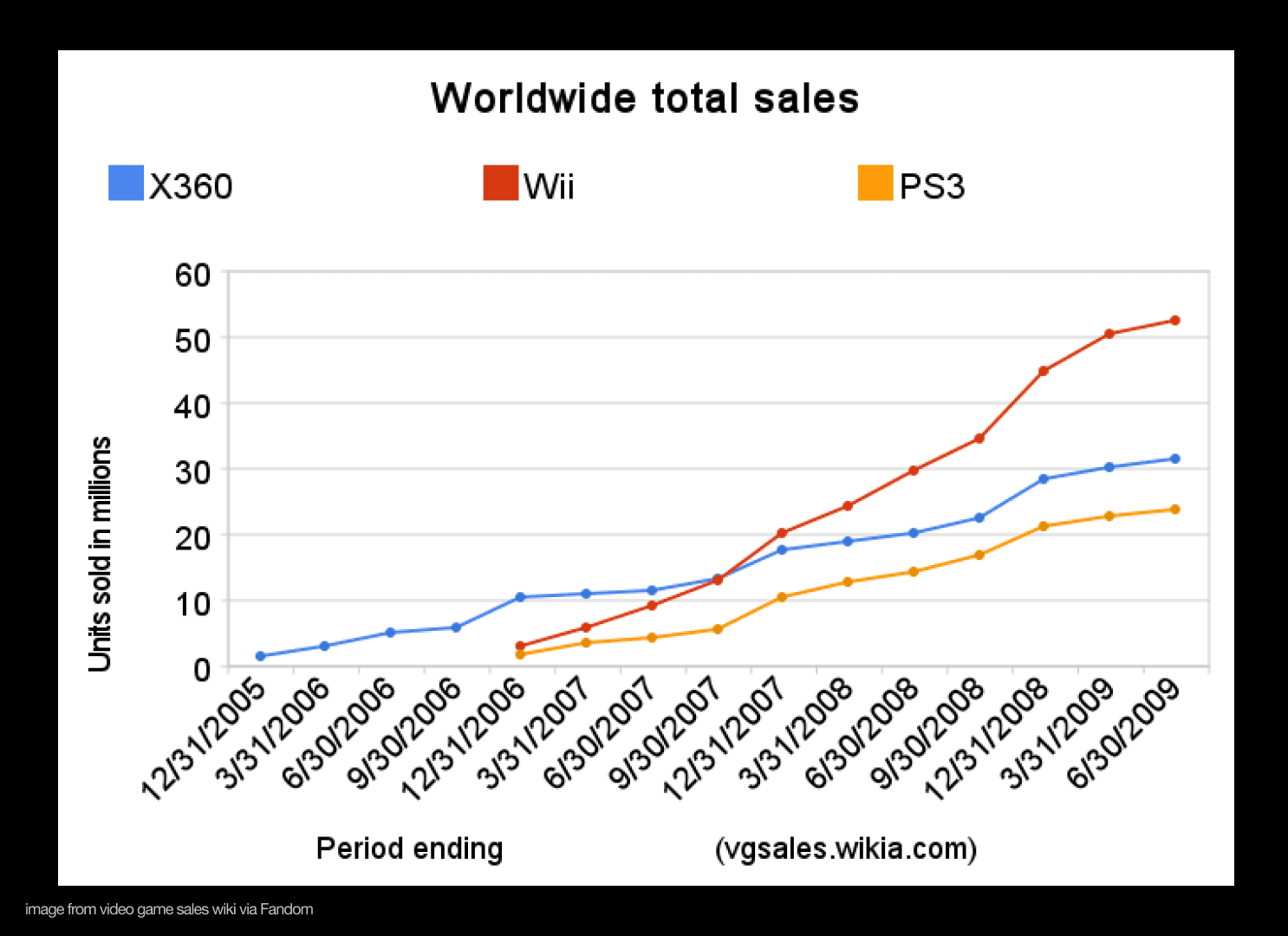
The payoff? The Wii outsold both the Xbox 360 and PlayStation 3. By refusing to compete on specs, Nintendo created a new category and expanded the market far beyond “gamers.”
Lesson for founders and product leaders: great product strategy isn’t about building more features. It’s about building different.
The Traps Product Leaders Fall Into
When startups and scale-ups set product direction, they often fall into familiar traps:
- Confusing goals with strategy – “We want growth” isn’t a strategy. It’s an outcome.
- Copying competitors – “They just launched X, so we need it too.” That’s not strategy, it’s reactive.
- Chasing everything at once – Growth, AI, retention, new markets, brand. A laundry list isn’t a strategy.
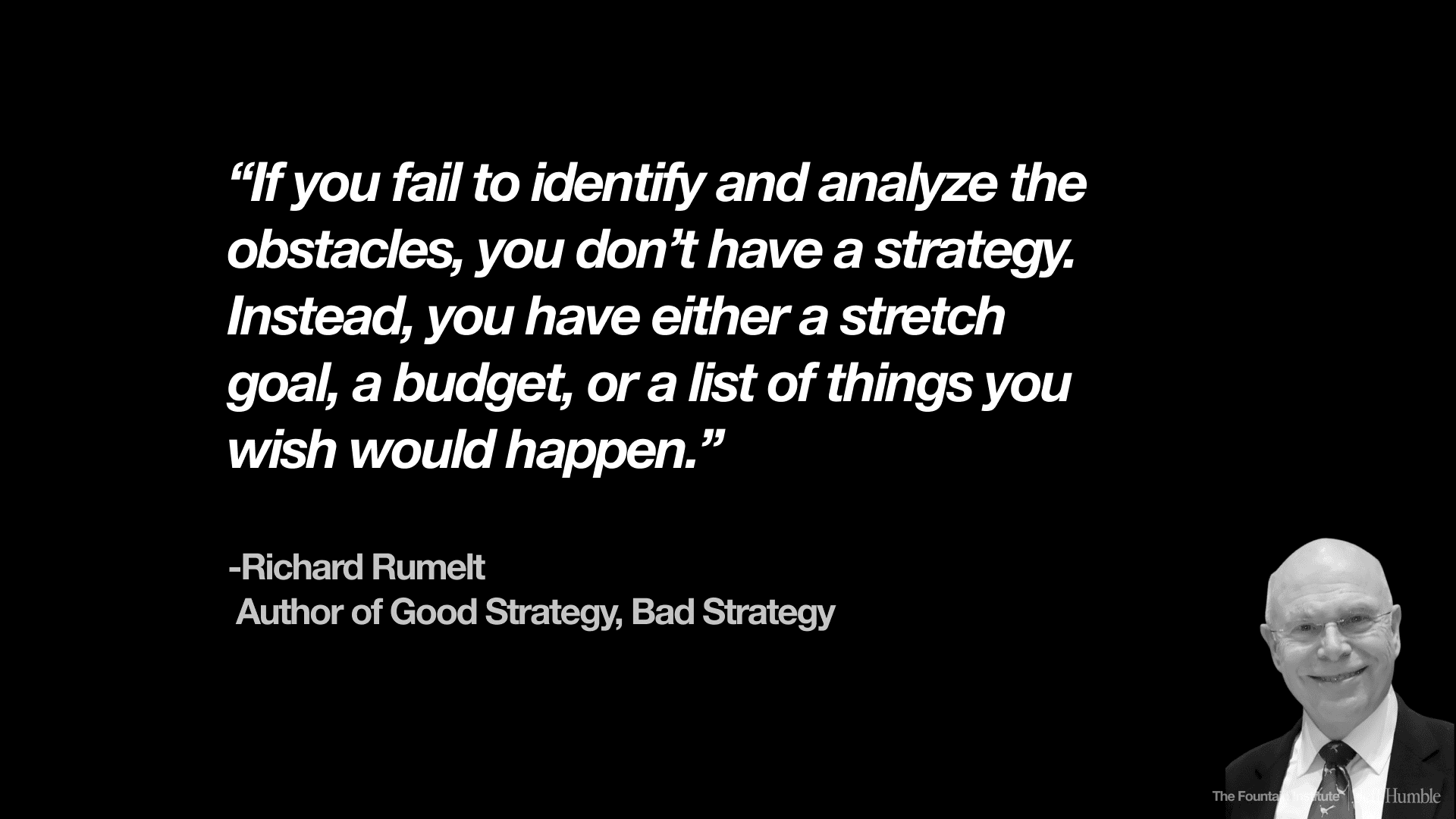
As strategist Richard Rumelt reminds us:
“If you fail to identify and analyze the obstacles, you don’t have a strategy. You have a list of goals or wishes.”
Practicing Better Product Strategy
Product strategy isn’t a deck you create once and file away; it’s a decision-making framework you return to constantly.
Founders and heads of product can sharpen their approach by:
- Looking at the three Cs: company strengths, customer needs, and competitor moves. Strategy comes from the intersection.
- Framing challenges, not just goals: The best strategies address systemic obstacles, not just targets.
- Making trade-offs: A strategy that tries to be everything ends up being nothing. Focus is power.
- Connecting strategy to decisions: Product strategy should guide choices on features, markets, hiring, and pricing.
- Thinking in years, not sprints: A strong product strategy should guide the roadmap for 2–5 years while adapting at the edges.
Why Now Is the Moment
AI has created a wave of uncertainty — but also a wave of opportunity. Some companies will scramble to bolt AI features onto their products, blending into the noise. Others will step back, ask “What space can we own?”, and define a strategy competitors can’t or won’t match.
That’s the leverage of product strategy: it turns chaos into clarity, and volatility into advantage.
Hire Jeff to Help You Design a Product Strategy
Are you interested in building lasting product strategy at your company? Jeff can support you with the discovery, delivery, and evaluation of your new strategy.
Final Thought for Product Leaders
If you’re leading a product team in 2025, the riskiest move isn’t AI or competitors — it’s running without a clear product strategy. You’ll either copy others or chase shiny objects, both of which end in wasted time and missed opportunity.
A great product strategy doesn’t just protect you from uncertainty; it helps you use uncertainty as an advantage.
And in the age of AI, that’s exactly what separates products that fade from those that define the market.